

Whether you’re experiencing a common sinus infection or a more serious head and neck condition, you expect excellent care. Our ear, nose and throat experts will partner with you to create a care plan tailored to improve your health.
Our Approach to Ear, Nose and Throat (ENT) Services
At Cape Fear Valley Health, we recognize that ear, nose and throat issues can greatly impact your well-being. Our team of skilled experts is devoted to assisting you in regaining a healthier, more active lifestyle.
Using cutting-edge technology, our leaders in ear, nose and throat care ensure that you receive the best possible treatment.
That’s why our specialists collaborate closely with one another to provide you with the most comprehensive care possible.

Albino Chiodo, MD
- Otolaryngology
- Allergy/Immunology

George Davies, MD
- Otolaryngology

Travis Schrank, MD
- Otolaryngology
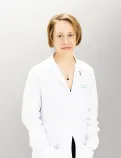
Jennifer Tartaglia, MD
- Otolaryngology

Ellen Wilson, AUD
- Otolaryngology

Shana Moore, MA
- Otolaryngology
- Audiologist


Ear, Nose & Throat Services FAQs
Sudden onset hearing loss
Sudden Sensorineural hearing loss (SSNHL) can be associated with ear ringing (tinnitus), dizziness (vertigo), and a cause is not easily diagnosed. A hearing test can be done to help determine a diagnosis, though not all patients will experience a complete return of their hearing. Corticosteroids may be offered as treatment and are most effective if taken within the first two weeks of onset. A provider may also discuss surgical, non-surgical, and rehabilitation options for treatment. You should not wait to be seen if you have sudden hearing loss.
Have a broken/fractured nose?
An evaluation will need to be completed by a medical professional to determine the extent of the injury. A follow up can be completed with an ENT who can assist in reviewing if surgical intervention is necessary.
I think I have a neck mass. What do I do?
If you believe you have a neck mass, it’s important to seek medical attention. A specialist can evaluate your symptoms and history including how long the mass has been present, voice changes, trouble swallowing or hearing, weight loss and any recent fevers. An endoscopy, which can be performed in clinic, can sometimes provide a visualization of the mass for providers. A CT scan or MRI may be ordered to provide additional information on the location and details of the mass.
Voice Hoarseness
Dysphonia, or hoarseness, is an occurrence of an altered voice that can impair communication. Resting your voice, hydrating and using a humidifier can assist in reducing hoarseness. Avoid smoking, straining your voice, excessive coughing in an attempt to clear your throat, and caffeine consumption as these can prolong the hoarseness.
What can I eat after I have my tonsils removed?
Recovery after the removal of tonsils can last up to two weeks, with throat, neck and ear pain commonly listed as being bothersome during recovery. Patients should avoid hard, crunchy, and hot and spicy foods and should drink plenty of fluids which can reduce throat pain and the risk of bleeding. If pain is not able to be managed, you should seek advice from your provider.
Ear Tubes
Ear tubes may be recommended when patients experience frequent ear infections. Ear tubes may only last 6-18 months and may need to be replaced after they come out. Covering your child’s ear during water activities is not necessary, and placement of tubes will be monitored at follow-up appointments.
What to do if my ear wax builds up? Are Q-Tip’s safe?
Ear wax (cerumen) can build up causing itching, hearing loss, or even ear pain. A PCP or ENT office can perform ear cleanings at appointments. Over-the counter medications can also aid in removing a build up of wax. Removal of the cerumen should not hurt, and can help with hearing depending on the depth of impaction.
What to do if I have fluid in the ears?
Usually goes away on its own, but there is concern if it lasts longer than 3 months. Clinical management can assist if the fluid lasts longer than a few weeks.
What is BPPV?
Benign Paroxysmal Position Vertigo (BPPV) can cause a spinning sensation which can lead to nausea and vomiting. BPPV occurs when tiny crystals in the inner ear are dislodged and can float around or move to other areas of the ear, causing the unstable feeling. While there is no imaging or lab testing that can diagnose BPPV, a bedside test can be performed to reproduce the movement of the crystals, verifying the diagnosis. Most BPPV cases can be corrected with these repositioning exercises.
What is Meniere’s Disease (Endolymphatic Hydrops)?
An inner ear disorder that is characterized by 2+ episodes of vertigo lasting (20 minutes-24 hours). This is usually accompanied by fluctuating low frequency hearing loss, ear fullness and tinnitus. This can be diagnosed by a healthcare professional in a clinic setting where they review symptoms and complete an in-depth medical history.