
At Cape Fear Valley Health, our specialists use advanced techniques to achieve accurate treatment, minimise scarring, and support a smooth recovery. Skin surgery encompasses both minor and complex procedures performed on the skin to remove lesions, repair defects, and reconstruct tissue after injury or cancer treatment. The goal is to diagnose and treat effectively while preserving function and appearance, with a focus on patient comfort and safety. Our team draws on dermatologic expertise to tailor care for each patient.
Procedure for Skin Surgery
Common procedures include:
- Excisional surgery for moles, cysts, lipomas, and suspicious lesions
- Shave removal and curettage for superficial growths
- Mohs micrographic surgery for select skin cancers
- Skin biopsies to confirm diagnoses
- Laser surgery for vascular or pigmented lesions
- Reconstructive techniques such as layered closures, local flaps, and skin grafts to reduce scarring and restore contour
Reasons to consider skin surgery include changing or atypical moles, biopsy-confirmed skin cancers like basal cell or squamous cell carcinoma, melanoma, symptomatic cysts or lipomas, chronic or nonhealing wounds, trauma-related defects, and cosmetic or functional concerns that benefit from removal or reconstruction. Your clinician will review your medical history, images, and pathology to determine the safest and most effective plan.
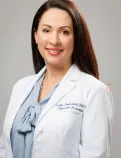
Emily Townsend, PA-C
- Dermatology
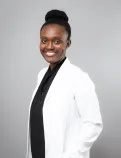
Mariah Owusu-Agyei, MD
- Dermatology