
At Cape Fear Valley Health, Mohs micrographic surgery offers a meticulous approach for treating certain skin cancers. Our skilled surgeons examine the entire tissue margin microscopically as each layer is removed, ensuring complete cancer eradication while conserving as much healthy skin as possible. This technique is particularly beneficial for cancers located on the face, ears, scalp, hands, and feet, where aesthetics and functionality are crucial. Mohs surgery targets only the tissue containing cancer cells, making it an effective skin cancer treatment.
Procedure for Mohs Surgery
The area is numbed with local anesthesia. A thin layer of tissue is removed, mapped, processed, and examined microscopically. Patients wait comfortably during analysis. If cancer persists, only affected areas are further treated. Once clear margins are confirmed, the wound is repaired using stitches, a flap, a graft, or natural healing, depending on the size and location, ensuring both cure and cosmetic results.
Unlike conventional excisions that remove visible tumors with a pre-set margin and send them to an external lab, Mohs surgery involves on-site tissue mapping and real-time margin assessment. If cancer cells remain, the surgeon precisely targets that area for further removal. This is repeated until no cancerous cells are detected.
Ideal Candidates for Mohs Surgery
- Skin cancers on the head, neck, hands, feet, or genital areas
- Aggressive tumors or those with poorly defined borders
- Recurrent or previously treated cancers
- Large or fast-growing lesions
- Cases where tissue preservation is vital for function or aesthetics
Our providers will evaluate your condition and determine if Mohs surgery is the best option for you.
Frequently Asked Questions about Mohs Surgery
Will I be uncomfortable during my procedure? Mohs surgery is performed under local anesthesia, so you should feel only pressure during tissue removal. Post-procedure discomfort is usually mild and can be managed with acetaminophen and proper wound care.
What are the potential risks? Risks include bleeding, infection, scarring, and rare cases of temporary or permanent numbness, or nerve injury. Mohs surgery minimizes normal tissue removal, often resulting in smaller scars. Your surgeon will discuss individual risks based on your tumor's location and size.
How much does this procedure cost, and will it be covered by my insurance? Mohs surgery is typically covered by health insurance for applicable cases like basal and squamous cell carcinomas meeting clinical criteria. Out-of-pocket expenses depend on your insurance plan. Our financial counselors can help estimate costs and secure authorizations. Bring your insurance details to your consultation for a benefits review.
If Mohs surgery is recommended as your treatment, Cape Fear Valley Health's team will guide you through preparation, the procedure, and recovery to ensure the best outcome.

Emily Townsend, PA-C
- Dermatology
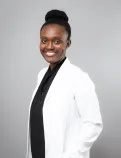
Mariah Owusu-Agyei, MD
- Dermatology